Anchors Away: How Smart Steem Creators Are Charting a Course Across the Web3 Universe

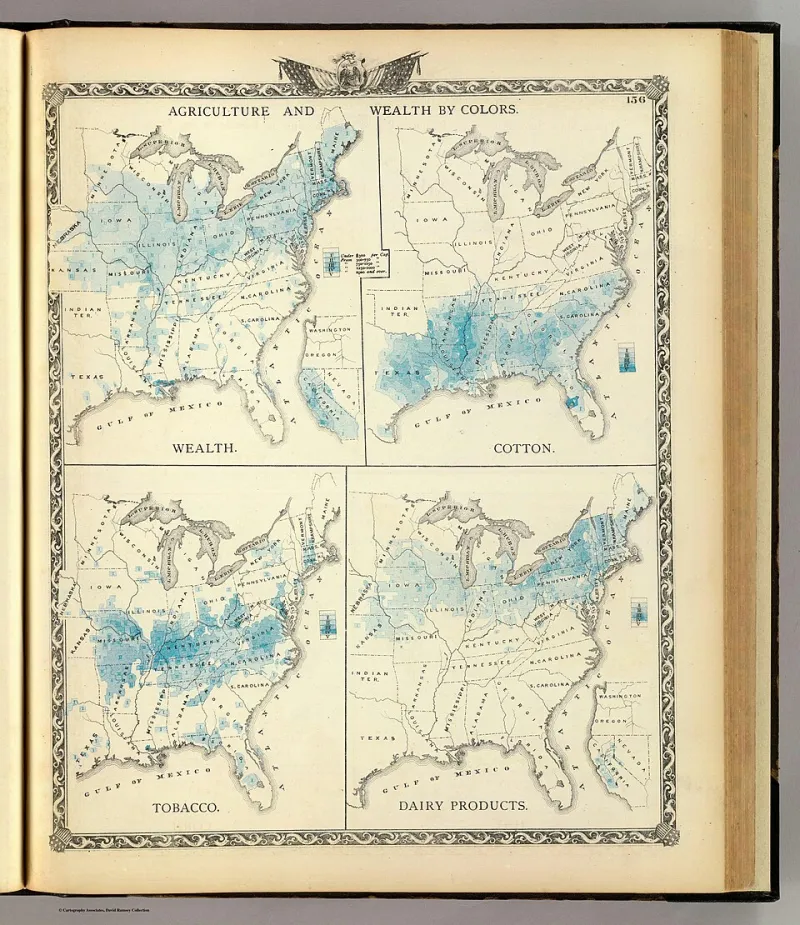
Photo: Adam Cuerden, Public domain, via Wikimedia Commons
There's a moment every serious content creator hits — the one where they realize that building on a single platform, no matter how decentralized, is still a form of dependency. For a growing wave of Steem creators across the US, that moment is arriving right now. And instead of panicking, they're pulling out a map.
Welcome to what we're calling the cross-chain era: a period where the most forward-thinking Steem creators aren't abandoning ship — they're building a fleet.
Why Steem Still Serves as Home Base
Before we talk about expansion, let's be real about what keeps so many creators tethered to Steem in the first place. The blockchain's fast transaction times, zero fees, and built-in content monetization layer still make it one of the most creator-friendly environments in Web3. The community here isn't just active — it's opinionated, loyal, and surprisingly global.
For US creators especially, Steem offers something rare: a track record. The ecosystem has been rewarding content since 2016, which in blockchain years is basically ancient history. That institutional memory matters when you're building an audience that actually trusts you.
But trust doesn't pay rent by itself, and the smartest creators on this platform know that.
The Strategic Case for Going Multi-Chain
So what's actually driving the migration? A few things are converging at once.
First, there's the ownership question. Creators who've watched traditional platforms flip their monetization rules overnight — demonetized YouTube channels, Instagram reach throttling, Twitter's algorithm rewrites — are increasingly allergic to single points of failure. A multi-chain presence isn't just about earning more; it's about building a content portfolio that no single protocol decision can nuke.
Second, different blockchains attract different audiences. Lens Protocol pulls in a more tech-forward crowd. Mirror.xyz skews toward long-form writers with a DeFi mindset. Farcaster has a startup-culture vibe that's distinctly different from Steem's community-first ethos. Showing up across these ecosystems doesn't dilute your brand — it diversifies your reach.
Third — and this one's underrated — cross-chain activity generates data. On-chain footprints across multiple ecosystems can make a creator more legible to DAOs, grant programs, and Web3 brands looking for authentic voices with proven audiences.
Creators Who've Made the Leap
We spoke with several US-based Steem creators who've successfully expanded their presence without losing their footing on this platform. Their stories share a few common threads.
One food and culture writer based in Austin started cross-posting to Mirror.xyz after noticing that her Steem audience loved her long-form essays but that certain pieces — particularly ones touching on crypto culture — were getting almost no traction outside the ecosystem. "I wasn't trying to replace Steem," she told us. "I just wanted those essays to find the readers they deserved. Mirror gave them a second life."
A tech tutorial creator from the Pacific Northwest took a different approach, using Farcaster as a community-building layer while keeping his primary content — detailed how-to guides — anchored on Steem. "Farcaster is where I have conversations. Steem is where I publish. They serve completely different functions for me."
What's consistent across both approaches is intentionality. Neither creator is simply copy-pasting content across chains and hoping for the best. They're thinking strategically about what each platform does well and routing their content accordingly.
The Risks Worth Naming
Let's not sugarcoat it. Going multi-chain isn't free, and it isn't frictionless.
Managing multiple wallets, keeping track of keys, understanding the tokenomics of each ecosystem — that's real cognitive overhead. For creators who are already stretched thin producing content, adding three more platforms to the rotation can lead to burnout faster than you'd expect.
There's also the audience fragmentation problem. If your Steem followers don't follow you to Lens, and your Lens audience never discovers your Steem content, you're not building a bigger community — you're building several smaller ones that never talk to each other.
And then there's the time-value calculation. Steem's curation rewards system means that consistent, quality posting here has compounding returns. Every hour you spend building elsewhere is an hour you're not compounding on this chain.
A Practical Framework for US Creators
So how do you decide whether to expand or double down? Here's the rough framework that emerged from our conversations.
Start with your content type. Long-form essays travel well to Mirror. Short, punchy takes find a home on Farcaster. Visual-heavy content has legs on platforms with stronger NFT ecosystems. If your content is inherently community-dependent — think local news, niche hobby content, or hyper-specific professional writing — Steem's community structure may already be your best bet.
Map your audience's Web3 literacy. If your readers are still figuring out what a wallet is, dragging them across four chains is going to lose them. Grow the Steem audience first. Once they're comfortable with the basics, cross-chain moves become a feature rather than a friction point.
Pick one new chain, not four. The creators who burn out fastest are the ones who try to be everywhere simultaneously. Choose the ecosystem that aligns most closely with your content goals, commit to it for 90 days, and evaluate from there.
Keep Steem as your ledger. Even as you expand, treat your Steem presence as the canonical record of your creative output. It's the chain with the longest track record, the most established community norms around content quality, and — frankly — the audience most likely to understand why you're building across multiple ecosystems in the first place.
The Map Is Still Being Drawn
Here at Steem World Map, we think about this stuff a lot. The whole premise of what we do is that decentralized creators are planting flags across a new kind of digital geography — one that doesn't respect national borders or platform gatekeepers.
The creators who are navigating this moment most successfully aren't the ones with the biggest audiences or the most tokens. They're the ones who understand that Web3 ownership is a long game, that Steem is a strong foundation rather than a ceiling, and that the map of the decentralized internet is still very much being drawn.
The question isn't whether to explore. It's whether you're ready to navigate.