Pin Drop: Which States Are Actually Running the US Steem Scene
Photo: Becker1999 from Grove City, OH, CC BY 2.0, via Wikimedia Commons
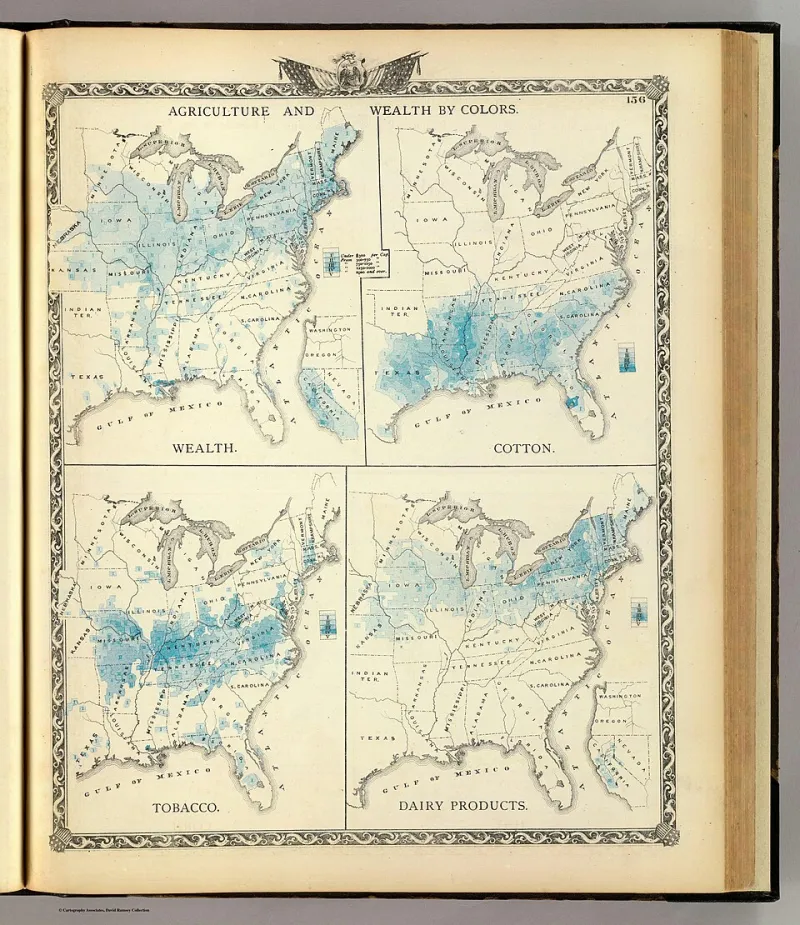
Drop a pin on a US map for every active Steem creator and you'd expect the usual suspects to light up—Silicon Valley, Brooklyn, Austin's tech corridor, maybe Seattle. And sure, those places show up. But spend any real time digging into where America's Steem activity is actually concentrated, and a different picture starts to emerge. One that says a lot about who's drawn to blockchain-based content creation, and why geography matters more than most people in crypto want to admit.
Why Location Still Matters on a Decentralized Network
The whole pitch of blockchain is that it's borderless. Your wallet doesn't care if you're in Manhattan or rural Montana. But your behavior on the network? That's shaped by your environment in ways that show up clearly in the data.
Internet infrastructure quality affects upload frequency and media-heavy posting. Local tech community density influences how creators talk about their work and who they collaborate with. Even time zones shape when posts go live and how much early engagement they catch from global curators. Geography isn't destiny on Steem, but it's not irrelevant either.
The Expected Players—And Why They're Not Always on Top
California shows up prominently in raw creator numbers, which makes sense given population size and tech saturation. New York follows a similar pattern. But when you adjust for engagement quality—meaning comment depth, consistent posting schedules, community participation rather than just account creation—the rankings shuffle in interesting ways.
Texas, for instance, consistently punches above its weight. The Austin metro has developed a small but notably active cluster of Steem creators, many of whom crossed over from the broader crypto-investing community and found that content creation offered a more engaging on-chain experience than just holding tokens. "Austin has this weird overlap of tech people, libertarian-leaning finance folks, and creative entrepreneurs," says Jordan, a crypto content creator who moved from Chicago to Austin two years ago. "Steem hits all three of those groups at once."
Florida is another state that surprises people. Miami's aggressive positioning as a crypto hub starting in the early 2020s drew a wave of blockchain-curious creators who needed somewhere to actually do something with their Web3 interest beyond trading. Some of them found Steem. The result is a Florida creator community that skews younger and more experimentally minded than the national average.
The Unexpected Hotspots
Here's where it gets genuinely interesting. Some of the most engaged US Steem communities—measured by things like comment rates, curation participation, and community post frequency—are coming out of states that don't typically feature in tech journalism.
Colorado has developed a quiet but consistent Steem presence, particularly around outdoor lifestyle content and sustainability topics. The state's combination of a educated population, strong independent-worker culture, and genuine interest in alternative economic systems has made it fertile ground. Several Colorado-based creators we spoke with cited the state's cooperative business tradition as something that made Steem's community reward model feel intuitive rather than foreign.
The Pacific Northwest—specifically Washington state outside the Seattle metro, places like Spokane and the Tri-Cities area—has produced a cluster of Steem creators who are often overlooked because they're not in the major city. But rural and semi-rural creators in high-bandwidth areas have some structural advantages: lower cost of living means the dollar value of Steem rewards goes further, and less competition for local attention means they often build tighter community bonds.
"Out here, there isn't a local crypto meetup scene or a Web3 networking event every week," says Danielle, who creates homesteading and sustainable living content from eastern Washington. "Steem is my community. So I'm probably more invested in it than someone in Seattle who has twenty other options."
The Dead Zones—And What's Keeping Them Cold
Not every region is thriving. Large swaths of the rural Midwest and Deep South show minimal Steem activity, and the reasons are less about interest and more about infrastructure and awareness.
Broadband access remains genuinely uneven across the US, and creating rich blockchain content—especially anything involving video or high-resolution images—is harder when you're working with inconsistent connectivity. Several creators from smaller Midwestern cities mentioned that they'd tried to get local creative communities interested in Steem but ran into a wall of unfamiliarity with crypto wallets and key management.
The onboarding friction problem hits harder in communities without existing crypto awareness. Where there's no local blockchain culture to provide peer support, the learning curve for new creators is steeper and dropout rates are higher.
Regional Content Styles Are a Real Thing
One pattern that emerged consistently across our conversations: regional identity shapes content niches in ways that create natural differentiation. Texas creators lean heavily into finance, entrepreneurship, and crypto-philosophy content. Colorado and Pacific Northwest creators over-index on sustainability, outdoors, and lifestyle topics. Florida creators trend toward travel, lifestyle, and—perhaps unsurprisingly—crypto market commentary.
This matters for earnings because Steem's curation ecosystem rewards genuine expertise and consistent niche focus. Creators who are writing from lived regional experience—Colorado hiking trails, Texas BBQ culture, Florida reef diving—often find that their specificity attracts more loyal followings than generic crypto content that could come from anywhere.
What the Map Is Really Telling Us
Zoom out and the US Steem engagement map looks less like a tech industry map and more like a map of where people are genuinely looking for alternative economic participation. The hotspots aren't always the wealthiest or most connected places—they're often places where people have real motivation to build something outside traditional platforms, where community bonds run deep, and where the idea of getting paid for authentic content creation resonates on a practical level.
For Steem World Map, that's kind of the whole point. The blockchain isn't just connecting content creators—it's revealing something about where in America people are ready for a different relationship with the internet. And some of those places might surprise you.