Alive or Abandoned? A Ground-Level Look at Which Steem Communities Are Actually Gaining Ground

If you've spent any real time on Steem, you already know the feeling. You wander into a community that looked promising — solid banner, decent description, a handful of posts on the front page — and then you notice the dates. Last post: three weeks ago. The one before that: six weeks. The comment sections are cobwebs and crickets.
This is the Steem community ghost town problem, and it's more widespread than most people want to admit. But here's the flip side: there are pockets of this blockchain that are genuinely humming. Real posts, real replies, real upvotes from people who actually read the content. The challenge is knowing where those pockets are — and getting there before everyone else figures it out.
We dug into publicly available on-chain data and community activity patterns to map out what's actually happening across the Steem ecosystem right now. What we found is a clear split between communities that are gaining momentum and those that are, for all practical purposes, on life support.
The Metrics That Actually Matter
Before we get into specifics, it's worth talking about how you measure community health in the first place. Raw membership numbers are basically useless on their own. A community with 10,000 subscribers means nothing if 9,800 of them haven't logged in since 2021. What you actually want to look at is a combination of three things:
Post frequency — How many new posts are hitting the community per day or per week? A healthy, mid-sized community should be generating at least a handful of posts daily. Drop below one or two per week and you're looking at a serious engagement problem.
Comment-to-post ratio — This is the real health indicator. Posts are easy to generate; comments require actual humans to actually read something and care enough to respond. Communities with a ratio above 3:1 (three or more comments per post) are showing genuine interaction. Below 1:1 is a red flag.
Upvote diversity — Are posts getting votes from a wide spread of accounts, or is it the same two or three whales rubber-stamping everything? Broad upvote distribution signals an engaged membership. Concentrated voting often means an automated curation trail is doing all the heavy lifting with no real humans in the loop.
Where the Momentum Is Building
Based on recent activity patterns, a few categories are standing out as legitimate growth areas on Steem right now.
Photography and visual arts communities have been quietly outperforming almost everything else. American creators in particular are driving a lot of this traffic — think travel photographers documenting road trips across the Southwest, wildlife shooters sharing work from national parks, urban photographers capturing city life from Seattle to Miami. The visual format travels well across borders, which means these communities tend to attract international engagement, too. That cross-border participation is actually inflating comment counts in a good way.
Local and regional interest communities are another bright spot, which is something we pay close attention to here at Steem World Map. Creators who are anchoring their content to specific geographic identities — whether that's a food blogger writing about the Houston restaurant scene or a hiker documenting trails in the Appalachians — are building loyal, repeat audiences. These communities might be smaller, but their engagement rates are punching well above their weight.
Crypto education and DeFi discussion communities have seen a notable uptick in post frequency over the last few months. As broader crypto market sentiment has shifted, more users are coming back to Steem as a place to process and discuss what's happening on-chain. Whether that momentum holds is an open question, but right now these communities are active.
The Categories That Are Struggling
On the other side of the map, some once-popular community categories have hit a wall.
General blogging and lifestyle communities — the kind that were everywhere during Steem's early days — are in rough shape. The problem is that "general" doesn't give anyone a reason to come back. Without a clear niche or identity, these communities can't build a core audience, and without a core audience, new creators have no reason to post there. It's a death spiral that's hard to reverse.
Gaming communities have had a particularly tough run. This one is a little surprising given how active gaming culture is in the US right now, but the reality is that dedicated gaming platforms — Discord servers, Twitch, Reddit — have absorbed most of that conversation. Steem-based gaming communities are struggling to offer something those platforms don't already do better.
Promotional and self-promotion focused communities are also in decline, and honestly, that's not the worst news. These spaces were always low on genuine engagement and high on spam-adjacent content. Their fade is actually a sign that Steem's curation mechanisms are working as intended.
What This Means If You're Deciding Where to Post
If you're a US-based creator trying to figure out where to invest your time and tokens, the data is pointing in a pretty clear direction: specificity wins.
The communities that are growing are the ones with a clear identity, a consistent posting cadence, and curators who are actually reading what gets submitted. Before you commit to a community, spend a week just observing. Look at who's commenting, how quickly posts get responses, and whether the same handful of names keep appearing on every leaderboard. A community where five people are doing all the work is fragile; a community where fifty different voices are contributing is resilient.
Also worth considering: geographic communities tied to real-world places are undervalued right now. This is core to what Steem World Map is all about — the idea that decentralized content has a physical dimension, that the creators behind the wallets live somewhere, care about something local, and want to connect with people who share that context. Communities built around place-based identity have a natural cohesion that general interest groups struggle to replicate.
Reading the Map Going Forward
The honest truth is that Steem's community landscape is in flux. Some of what's thriving today will plateau; some of what's struggling might find a second wind if the right organizers show up. The blockchain doesn't lie, though. Post frequency, comment ratios, and upvote diversity are all readable on-chain, and they tell a more accurate story than any community's self-reported membership count.
The creators who are winning right now are the ones treating community selection like an investment decision — looking at the fundamentals, not just the surface-level numbers. Find the places where real conversations are happening, show up consistently, and contribute something worth reading. That formula works whether you're in a booming community or a smaller one that's quietly building something special.
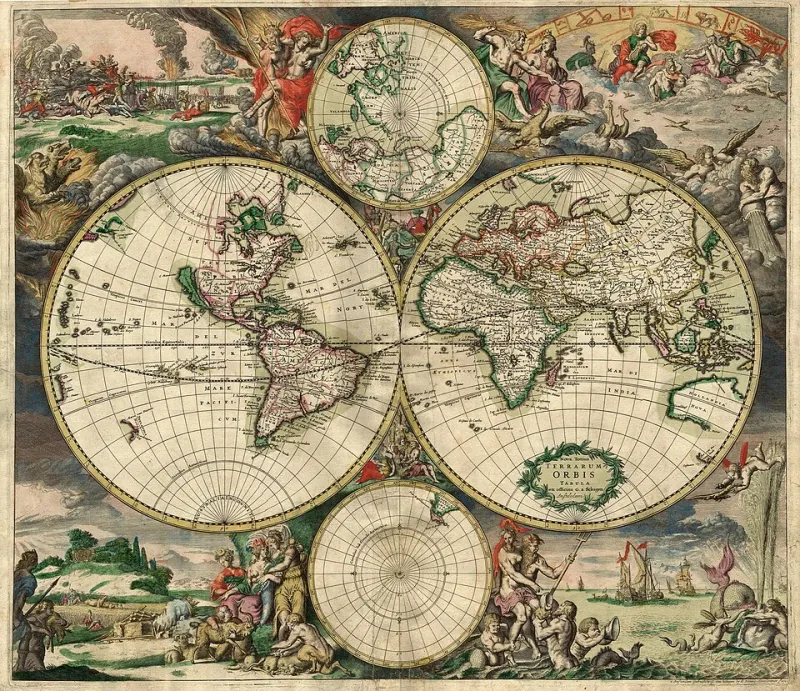
The map of Steem is always being redrawn. The question is whether you're drawing it or just trying to catch up with everyone else.