Pulling Up Stakes: The Real Story Behind Steem Creators Jumping Ship to Other Blockchains

Photo by Photo by Anastasiia Nelen on Unsplash on Unsplash
There's a phenomenon happening in slow motion across the Steem ecosystem, and it's showing up clearly when you zoom out on the map. Creators who once called Steem their primary home — some of them prolific posters, community builders, even witnesses — are quietly diversifying their output to competing protocols. Some have gone full exodus. Others are hedging. But the directional trend is hard to miss, and it raises a question worth sitting with: what does creator churn actually tell us about Steem's long-term competitive position?
We spent time digging into on-chain activity patterns, community forums, and conversations with US-based creators to get a clearer picture of what's driving the movement — and what, if anything, is keeping people anchored.
Where Are They Going?
Hive is the most obvious destination, and that's not surprising given the shared history. When the Steem-Hive split happened back in 2020, it seeded a parallel universe of content creators who now operate across both chains — or have migrated entirely. For many US creators, Hive became the default alternative, offering a familiar interface and a community that, frankly, already knew their work.
But the more interesting migration pattern emerging recently involves platforms that aren't even direct blockchain competitors in the traditional sense. Bluesky, the AT Protocol-based network that's been quietly building momentum since opening up more broadly, has attracted a slice of the decentralized-content crowd who are less interested in token economics and more drawn to the ethos of open, portable social graphs. Several creators in the travel and photography niches — historically strong Steem categories — have been cross-posting there with increasing frequency.
Mirror.xyz has pulled in some of the long-form essay writers, particularly those with audiences willing to engage with Ethereum-adjacent tooling. And Paragraph, a newer newsletter-meets-web3 platform, is starting to show up in conversations among US creators who want monetization without the complexity of a full blockchain content ecosystem.
What's Actually Triggering the Move?
Here's where it gets nuanced. When you talk to creators who've diversified away from Steem, the reasons aren't always dramatic. It's rarely a single breaking point. More often, it's a slow accumulation of friction.
Reward pool dynamics come up constantly. Creators — especially mid-tier ones who aren't sitting on delegated Steem Power — describe a growing sense that the economics don't pencil out the way they used to. When your post earns a few cents despite genuine effort and engagement, and you're watching similar content on Hive or even a Web2 platform generate more visible traction, the calculus starts to shift.
Governance frustration is another recurring theme, particularly among creators who've been in the ecosystem long enough to have opinions about witness elections and stake-weighted voting. A creator based in the Pacific Northwest who's been posting travel content for years put it bluntly in a Discord conversation: "I didn't leave Steem. I just stopped making it my first stop."
Discoverability is a third trigger. New audiences aren't finding Steem the way they might stumble onto content through Bluesky's growing federated network or through Hive's SEO-friendlier front-ends. For creators trying to grow — not just maintain — the platform's ability to surface their work to fresh eyes matters enormously.
Reading the Retention Map
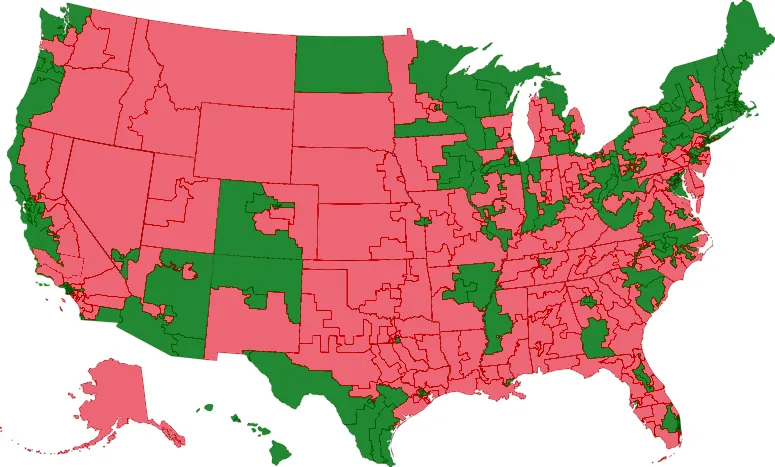
When you look at activity data geographically, some patterns emerge that are worth flagging. US-based creators in coastal metros — the Bay Area, New York, Seattle — show higher rates of multi-platform activity. These are creators who tend to be more plugged into broader tech conversations, more likely to experiment with emerging tools, and more likely to have audiences that follow them across platforms rather than being tied to a single ecosystem.
Mid-continent creators — think Texas, Ohio, the Midwest broadly — show more concentrated Steem activity, but also lower overall posting frequency in recent months. Whether that's churn-in-progress or simply seasonal patterns is harder to call without longer time series data.
Content category matters too. Gaming and crypto-commentary creators have shown the highest diversification rates, likely because those communities have strong presences on multiple platforms and the audiences are accustomed to following creators wherever they land. Lifestyle, food, and personal finance creators have been more sticky — possibly because Steem's community infrastructure in those niches still offers something competitors haven't replicated.
What Steem's Competitive Position Actually Looks Like
Here's the honest read: Steem isn't collapsing, but it's operating in a more competitive landscape than it was even two years ago. The platforms it's competing with have gotten better, more accessible, and in some cases better funded. Bluesky's growth has been real. Hive has continued to iterate. And Web2.5 platforms like Paragraph are lowering the barrier to monetized long-form content in ways that chip away at one of Steem's core value propositions.
At the same time, Steem has something that newer entrants genuinely lack: an established community with years of relationship-building, a functional reward mechanism that — when it works for you — still pays out in ways that feel meaningful, and a geographic diversity of participants that shows up clearly when you map the ecosystem. That's not nothing.
Retention metrics, from what's observable on-chain, suggest that the creators most likely to stay active on Steem are those who've built genuine community connections rather than purely chasing token rewards. That tracks with what we hear anecdotally. The people who stuck around after the 2020 split, who kept posting through the bear market, who run community accounts and engage in comment sections — those folks aren't going anywhere fast.
What This Means Going Forward
The migration story isn't a death knell — it's a pressure test. Every blockchain ecosystem goes through phases where its most mobile participants shop around, and the ones that survive long-term are the ones that give creators a reason to treat them as a home base rather than just a pit stop.
For Steem specifically, the data suggests that doubling down on community infrastructure, improving discoverability for new audiences, and making the reward experience more predictable for mid-tier creators would do more to stem churn than any single technical upgrade. The creators who are diversifying aren't necessarily gone — they're waiting to see if the ecosystem gives them a compelling reason to re-anchor.
And for anyone watching the map of the decentralized content world, that's actually an interesting moment. The platforms that figure out how to keep their best creators engaged — not just their wealthiest stakeholders — are the ones that will show up as bright spots on the next version of this map.
The stakes are real. The migration is real. But so is the opportunity to course-correct.