Building on the Base Layer: How Steem's Second-Layer Boom Is Putting Money Back in Creators' Pockets
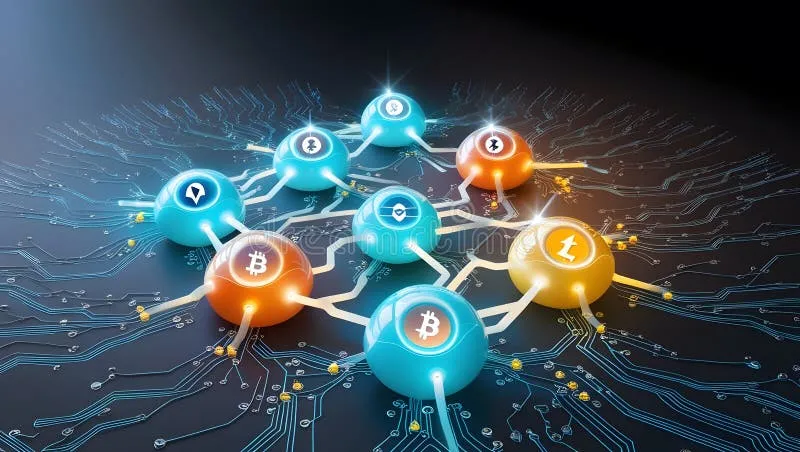
Photo: blockchain technology layers digital network infrastructure glowing nodes, via thumbs.dreamstime.com
The Problem Nobody Wanted to Talk About
For a long time, there was an open secret in the Steem ecosystem: the economics just didn't pencil out for a lot of creators. If you were a mid-tier blogger in Tulsa posting three times a week, or a digital artist in Austin trying to tokenize small pieces of your work, the friction was real. Transaction overhead, reward pool dynamics, and the sheer complexity of on-chain interactions kept a huge slice of potential participants on the sidelines.
That's starting to change — and the engine driving the shift isn't happening on Steem's base layer at all. It's happening one level up.
Layer-2 solutions, second-layer protocols built on top of Steem's existing infrastructure, are quietly rewriting the rules of who can afford to participate and how much they can realistically earn. And in 2024, the adoption numbers are finally catching up to the hype.
What "Layer 2" Actually Means for Everyday Creators
Strip away the jargon for a second. When developers talk about layer-2 solutions on Steem, they're essentially describing tools that handle transactions off the main chain — bundling them, batching them, or routing them through smarter channels — before settling back to the base layer. The result? Faster interactions, lower costs, and the ability to move tiny amounts of value that would have been uneconomical before.
Think about what that means practically. A gaming content creator in Phoenix can now receive micro-tips from 200 viewers without each transaction eating into the reward. A short-form video creator in Chicago can monetize 30-second clips in ways that simply weren't viable when every on-chain action carried overhead. The map of who's earning on Steem is getting a lot more detailed.
SteemEngine, one of the longer-standing second-layer ecosystems, has seen token creation and community-specific reward pools become a go-to toolkit for niche communities. But newer entrants are pushing the envelope further, building lightweight smart contract environments and custom fee structures tailored to specific creator types.
Developer Voices From the Build Side
We reached out to several builders active in the Steem second-layer space, and the enthusiasm is hard to miss. One developer working on a micropayment-focused protocol described the current moment as "the infrastructure phase that should have happened three years ago, but honestly, the timing might be better now because the tooling is mature enough to actually stick."
Another builder, focused on gaming integrations, pointed to the US indie game developer community as an underserved market. "These creators already understand tokenized economies from their exposure to Steam and in-game currencies," he noted. "Bringing them onto a blockchain that has real second-layer scalability just removes the last excuse not to try it."
What's notable is that many of these developers aren't building in isolation. There's a collaborative thread running through the Steem layer-2 community — shared libraries, open documentation, and public Discord channels where creators and coders are genuinely talking to each other. That kind of cross-pollination is showing up in adoption metrics.
The Numbers on the Map
Adoption data tells an encouraging story, even if it's still early. On-chain analytics tracking second-layer token activity show consistent month-over-month growth in unique wallet interactions throughout 2024. Communities built around niche topics — everything from homesteading content to tabletop gaming commentary — are reporting higher retention among newer users when those users have access to community-specific tokens with real utility.
Perhaps more telling is the demographic shift. Anecdotal reporting from community managers suggests that creators entering the Steem ecosystem through second-layer onramps tend to skew younger and are more likely to come from creator-economy backgrounds — people who've already tried Patreon, Substack, or Ko-fi and are looking for something with more direct ownership built in.
For a platform that has sometimes struggled to attract Gen Z creators, that's a meaningful data point.
Micropayments: The Feature That Changes Everything
If there's one capability that layer-2 infrastructure unlocks that has the most transformative potential, it's micropayments. The ability to send and receive fractions of a cent — reliably, at scale, without eating the entire value in fees — opens up monetization models that legacy platforms have never been able to offer.
Imagine a podcast creator in Nashville who posts episode recaps on Steem. With functional micropayments, every engaged listener can send a small appreciation payment after each episode. Multiply that across a dedicated audience of a few thousand, and the economics start looking genuinely interesting. No subscription gatekeeping. No platform taking 30%. Just direct value flowing between creator and community.
This is the kind of scenario that Steem's base layer always promised but rarely delivered cleanly. Second-layer solutions are making it real in 2024, and the creators who are discovering it early are planting their flags on the blockchain in a serious way.
What's Still Missing
Fair coverage means acknowledging the gaps. Layer-2 solutions on Steem are still fragmented. There isn't one unified experience — there are several competing ecosystems with different token standards, different UX approaches, and different levels of documentation quality. For a creator who isn't technically inclined, navigating that landscape can still feel like assembling furniture without instructions.
Bridge tools that make second-layer interactions invisible to end users — where the complexity is abstracted away and creators just see "I posted, I earned" — are still maturing. A few projects are explicitly working on this UX layer, and it's arguably the most important infrastructure gap remaining.
The other open question is sustainability. Token economies on second layers depend on genuine demand for those tokens. Communities that build value through strong content and engaged audiences will see their tokens hold utility. Communities that don't will see them fade. That's not a flaw in the model — it's actually how it should work — but it means success isn't guaranteed just by deploying the tech.
The Map Is Expanding
Steem World Map has always been about charting where participation and value creation are happening in this ecosystem. The second-layer story of 2024 is fundamentally a story about geographic and demographic expansion — more creators from more places finding viable paths into the Steem economy because the cost of entry has finally come down.
From a developer grinding in a Brooklyn apartment to a content creator in suburban Denver experimenting with tokenized community engagement, the second layer is drawing new dots onto the map. That's worth paying attention to.